Samsung’s $2,100 phone tests how much consumers will pay to fold
The U.S. 30-Year Treasury Hit a 19-Year High, and…

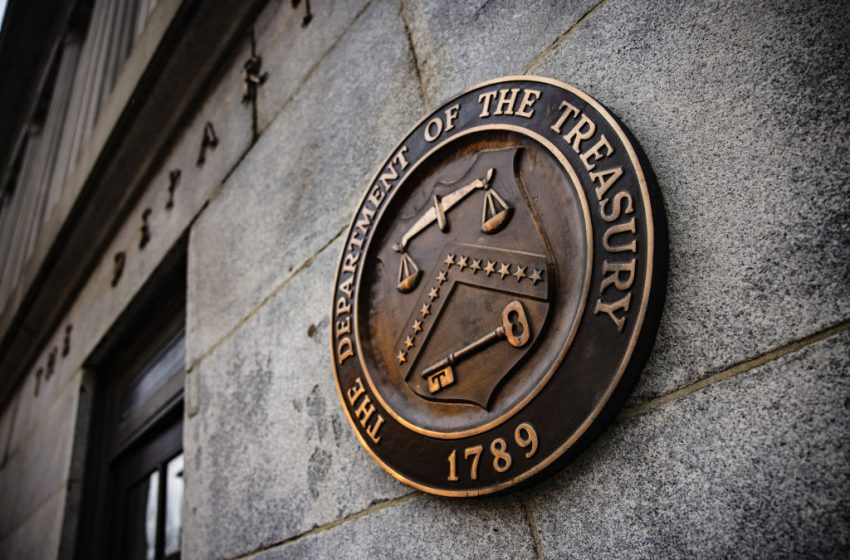
The 30-year US Treasury yield touched its highest level since 2007 on Tuesday, August 18, and the same move is quietly repricing the most crowded trade in the market. Per CNBC, the long bond topped 5.33% intraday, a fresh 19-year high, before easing to trade around 5.273% at press time; the US Treasury’s official close put it at 5.28%. That is not just a bond-market story. Long-duration treasury yields at levels last seen before the financial crisis reprice anything whose value sits far in the future, and that means AI infrastructure, semiconductors, memory, and quantum.
The stock market felt the impact, as the S&P 500 fell 0.69% to 7,691.76, a third straight losing session; the Nasdaq Composite dropped 1.33% to 26,289.71; and the Dow slipped 0.22% to 53,348.34, per TradingView, extending the cautious tone FinanceFeeds noted as markets consolidated after CPI. The damage was not evenly spread, and where it landed tells the story.
The 30-year yield is back at levels last seen in 2007, after a decade spent mostly below 3%. Source: CNBCWhat Happened in the Bond Market Tuesday
The bond selloff hit the long end of the treasury yield curve hardest, while the short end held. The 30-year hit its 19-year high and the 20-year climbed alongside it, even as the two-year yield, which tracks Fed expectations, held near 4.19% in the Treasury’s data. That divergence steepened the curve sharply: the gap between two- and 30-year treasury yields widened to about 113 basis points, the most since April, according to Bloomberg.
Long yields are rising even as traders scale back expectations of further Fed rate hikes, which means the move is not about near-term monetary policy. It is about what investors demand to lend to the US government for 30 years, and right now they are demanding more.
The 30-year has ground higher through 2026, crossing the 5% “line in the sand” and staying above it. Source: U.S. Department of the Treasury · Chart: FinanceFeedsWhy Treasury Yields Moved: Oil, Inflation, and Debt
The bond selloff had three major drivers. The immediate trigger was oil: stalled talks to end the US-Iran war pushed crude above $90 a barrel, reviving inflation fears, as CNBC reported. On top of that sits a fiscal problem the market can no longer ignore, with the July federal deficit the highest monthly total in more than five years and the Treasury issuing a flood of long-dated debt to fund it. Last week’s $25 billion 30-year auction cleared at 5.216%, the highest for such a sale since 2001.
The inflation backdrop is the through-line FinanceFeeds has tracked since the summer, when gold ran to $4,414 before the July CPI print on the same worry: prices stuck above the Fed’s target with a Fed reluctant to tighten into it. The bond market and the gold market are reading the same fiscal-and-inflation signal, and both are moving on the oil and inflation dynamics laid out in the week-ahead review.
The Transmission: Discount Rate, Debt Cost, and a Feedback Loop
Here is why a bond move becomes a tech-stock move. A company whose profits arrive years from now is worth more when future cash is discounted at a low rate and less when it is discounted at a high one. Rising long-dated treasury yields lift that discount rate, and the hit is largest for the longest-duration equities, the ones with the least profit today and the most promised for later. That is AI infrastructure, quantum computing, and memory capex almost by definition.
There is a second channel, and it runs both ways. The AI build-out is being financed with enormous volumes of corporate debt, and that issuance competes directly with Treasuries for buyers, which pushes treasury yields higher. Bloomberg’s analysis notes AI-related issuance has added an estimated 0.3 percentage points to 10-year yields, and Barclays strategist Anshul Pradhan named “slower AI-related issuance” as one of the few things that would turn the selloff around.
So the loop closes on itself: AI capex requires debt, that debt lifts yields, higher yields reprice the AI equities, and they also raise the cost of the next round of AI borrowing. It is the same cost-of-capital pressure FinanceFeeds flagged when Morgan Stanley put a credit lens on AI spending, now showing up in the bond market itself.
Investor Takeaway
The curve steepened because long treasury yields rose while short-rate expectations fell, so this is a fiscal-and-inflation move, not a Fed move, and it will not reverse just because September hike odds keep sliding.
What Broke: Memory, Data Centers, and Quantum
The equity damage on Tuesday was a textbook duration signature: the names with the most distant payoffs and the heaviest capex fell the hardest.
Tuesday’s declines lined up almost perfectly by duration, with memory, data center, and quantum names falling more than the profitable mega-cap chipmakers. Source: TradingView · Chart: FinanceFeedsAccording to price data from TradingVirew, Micron, the memory-capex name, fell 7.02%, the worst of the group. Vertiv, which sells the power and cooling gear inside data centers, dropped 6.80%. The two pure-play quantum names, with essentially no near-term earnings to discount, fell in line: IonQ down 5.81% and Rigetti down 5.14%. The profitable chip mega-caps held up better, AMD off 4.27%, Broadcom off 3.17%, and Nvidia down just 2.34%, while Oracle, whose AI ambitions lean heavily on debt-funded capex, fell 2.63%.
The ordering is the argument: the further a company’s profits sit in the future, the more a higher discount rate takes off its value today. The selloff then deepened in Asia overnight, where the semiconductor slide spread to Wednesday’s session, per Bloomberg.
What to Watch: The July FOMC Minutes
The near-term catalyst is the July FOMC minutes, due Thursday at 2:00 p.m. ET, which markets will read for how seriously the Fed is weighing a hike against the soft data. On rate pricing itself, CME FedWatch put the odds of a September hold at about 67% and a hike at about 33% as of August 19, down from over 50% earlier in the month. That is the paradox in one line: the September hike odds are falling while the bond selloff drives the long-bond Treasury yield higher anyway, because the two are answering different questions.
The Fed sets the short end; the market sets the long end, and right now the long end is pricing fiscal and inflation risk the Fed cannot fix. Until that changes, the discount rate under the AI trade stays elevated, and so does the pressure on every name whose story is mostly about the future.
Investor Takeaway
Tuesday’s declines were lined up by duration, so the read-through is that any portfolio concentrated in memory, data center, and quantum names carries more rate sensitivity than the mega-cap semis, not less.